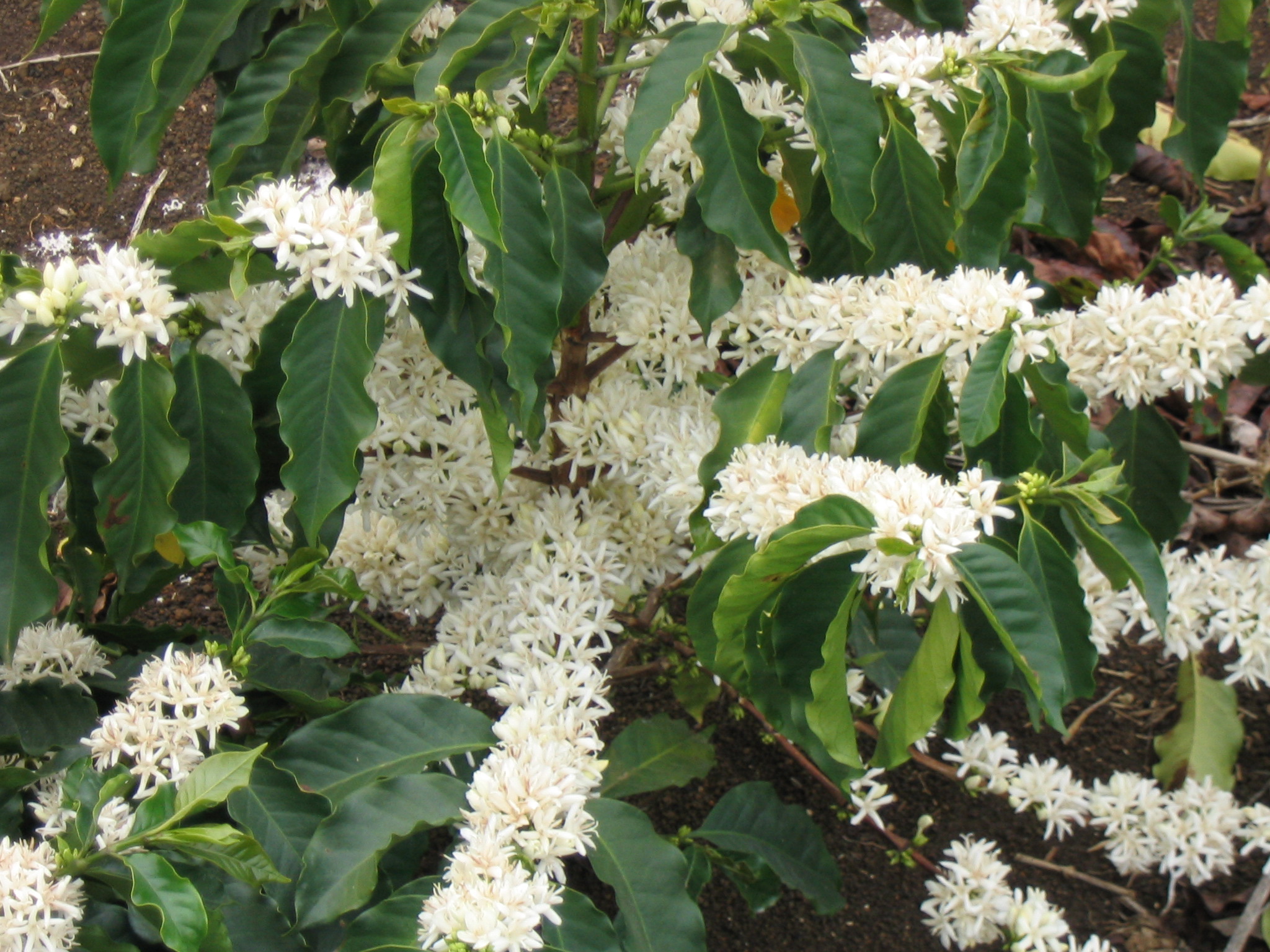
Coffee's story begins in the highlands of Ethiopia, where goats were first observed dancing with unusual energy after eating red berries from a certain tree. From those ancient highlands, coffee spread across Yemen, the Middle East, and eventually the entire world.
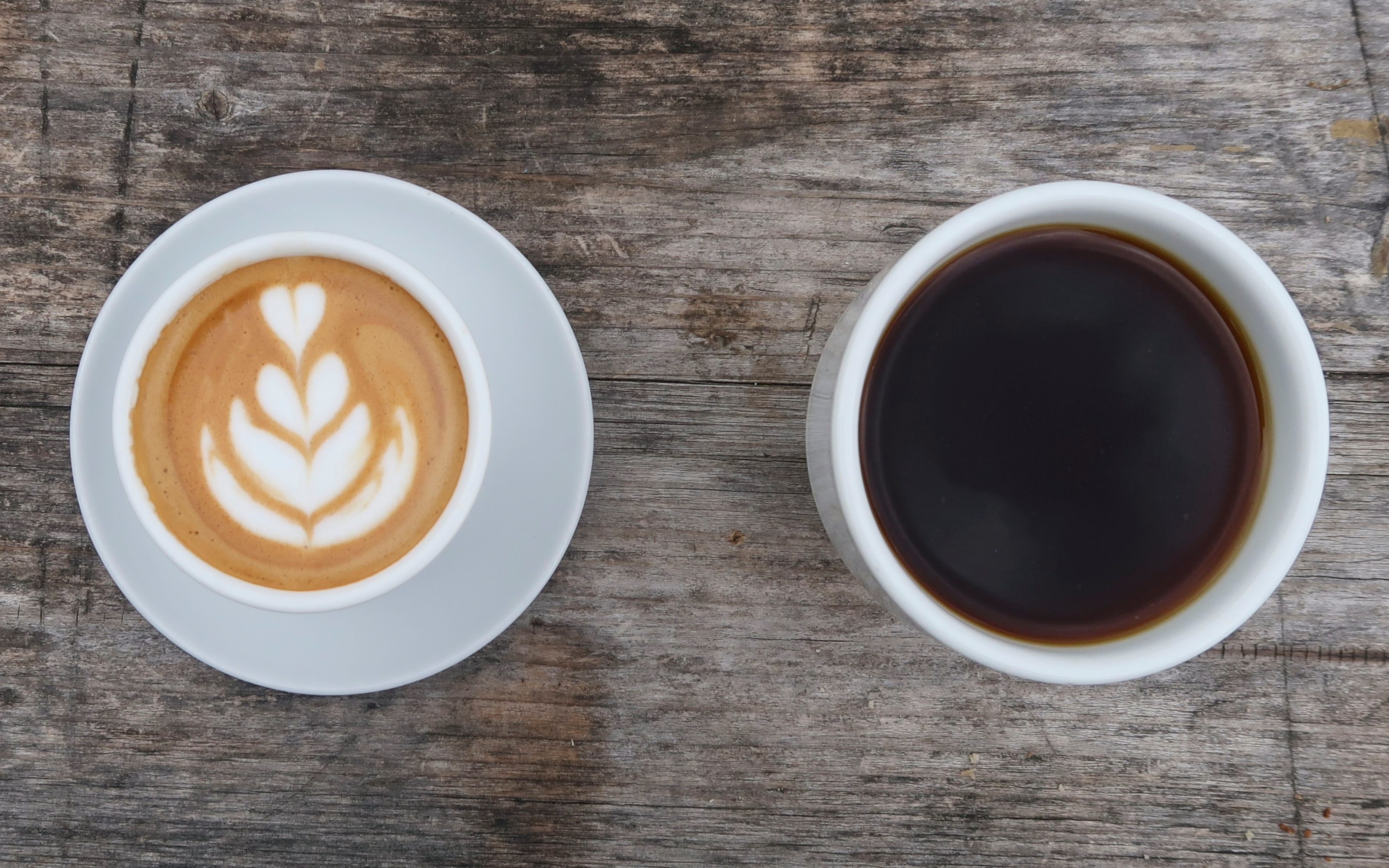
The journey from bean to cup is shaped by the brewing method. Each technique extracts different compounds, producing a unique flavor profile, body, and aroma. Water temperature, grind size, and ratio are the three variables you must master.
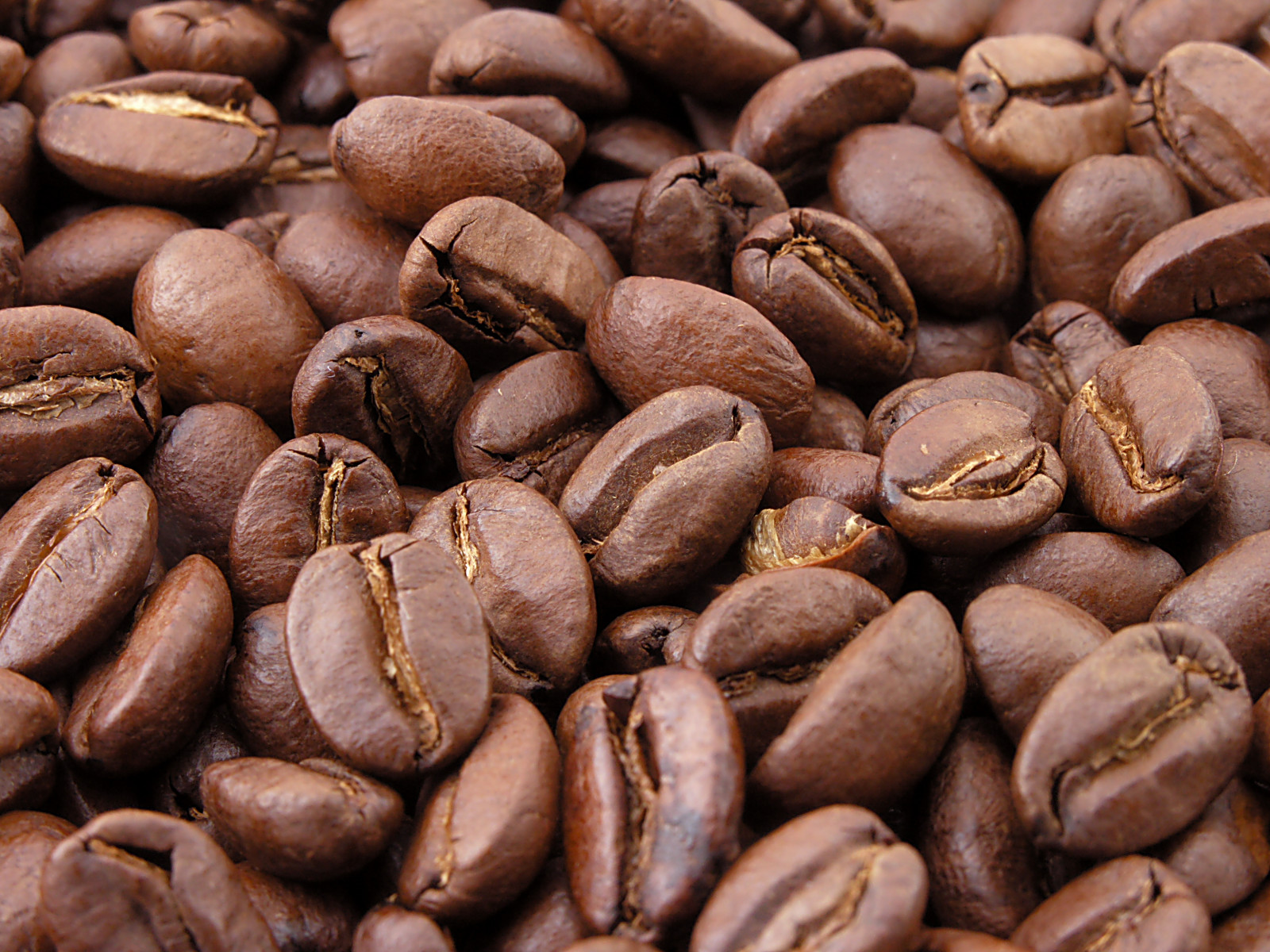
Coffee roasting transforms green beans into the aromatic brown beans we know. Heat causes the Maillard reaction and caramelization โ developing hundreds of flavor compounds while reducing acidity and increasing body at darker levels.
No oil on surface. Origin flavors preserved. High acidity. Fruity, floral, tea-like. First crack only.
Examples: Cinnamon Roast, New England, City Roast
Balanced acidity and body. Caramel and nut notes develop. Most popular in the US. Between first and second crack.
Examples: American Roast, City+, Breakfast Blend
Rich, dark flavor. Slight bittersweet aftertaste. Oil begins to surface on bean. End of second crack.
Examples: Full City+, After Dinner, Vienna Roast
Oil visible on surface. Bold, smoky, low acid. Roast flavor dominates origin character. Carbon notes emerge.
Examples: French Roast, Espresso Roast
Charred, bittersweet, intense body. Almost all origin flavor lost. Bean surface heavily oiled. Very low caffeine per volume.
Examples: Italian Roast, Spanish Roast
150โ200ยฐC. Green beans lose moisture (10โ12% water content). Beans turn yellow, smell grassy. Endothermic phase โ beans absorb heat.
~150โ180ยฐC. Amino acids and sugars react. Brown compounds (melanoidins) form. Hundreds of aromatic compounds develop. The core of coffee flavor.
~196ยฐC. Steam pressure builds inside. Cell walls rupture โ audible crack. Bean doubles in size. Exothermic. Light roasts pulled here.
~224ยฐC. CO2 escapes from bean structure again. Beans become brittle. Oil migrates to surface. Dark roasts pulled at or just before second crack.
The coffee plant belongs to the genus Coffea, with over 100 species. Just three dominate commercial production. Within those species, hundreds of varietals offer extraordinary flavor diversity.
The premium species. Accounts for ~60% of world production. Grown at high altitude, requires careful cultivation. Lower caffeine, higher sugar content, complex acidity. Origin: Ethiopian highlands.
Caffeine: ~1.2โ1.5% | Chromosomes: 44 (tetraploid)
The workhorse species. ~40% of production. Hardy, disease-resistant, high-yield. Grown at lower altitudes. Higher caffeine, earthier flavor. Key to espresso blends and instant coffee.
Caffeine: ~2.7% | Chromosomes: 22 (diploid)
The rare third. <1% of production. Large beans, asymmetric shape. Distinctive smoky, woody, floral notes. Popular in Philippines (Barako). Resistant to leaf rust disease.
Caffeine: ~1.2% | Native to West Africa
Coffee has shaped human civilization for over 500 years โ fueling the Age of Enlightenment, powering revolutions, and birthing a global cafรฉ culture. From Ottoman qahvekhane to Seattle's third wave, the story is inseparable from human intellectual and social history.
From a legendary goat herder in Ethiopia to a $100 billion global industry, coffee has shaped empires, fueled revolutions, and changed the way humanity thinks, works, and socializes.